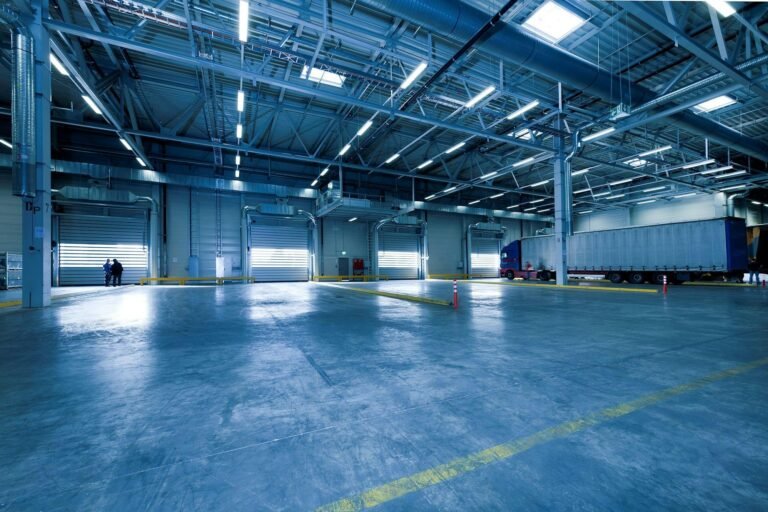
How Technology is Revolutionizing the Logistics Industry in 2025
Introduction
The logistics industry is evolving faster than ever before. As global supply chains expand and customer expectations rise, technology has become the driving force behind smarter, faster, and more efficient logistics operations. In 2025, businesses that embrace digital transformation are setting new benchmarks for performance and transparency.
1. Smart Warehousing & Automation
Automation is reshaping the way logistics companies manage inventory and order fulfillment. With robotic picking systems, automated guided vehicles (AGVs), and AI-powered inventory management, warehouses can now operate with minimal human intervention.
Companies like Amazon and DHL use machine learning to predict product demand and streamline inventory flow — ensuring faster delivery and fewer errors.
Benefits:
- Reduced human error
- Improved warehouse efficiency
- Real-time stock visibility
2. IoT for Real-Time Tracking
The Internet of Things (IoT) has introduced real-time visibility into every stage of the supply chain. Smart sensors and GPS tracking allow logistics managers to monitor temperature, location, and delivery times with pinpoint accuracy.
This not only enhances customer trust but also reduces the risk of loss, damage, or delays during transit.
Example:
Cold chain logistics companies now use IoT-enabled thermometers to ensure perishable goods remain within safe temperature ranges throughout their journey.
3. AI-Powered Route Optimization
Artificial Intelligence is revolutionizing route planning. Advanced algorithms analyze traffic data, weather conditions, and delivery time windows to find the fastest and most fuel-efficient paths.
By minimizing idle time and fuel consumption, logistics companies save on operational costs while reducing carbon emissions.
AI in logistics helps to:
- Predict and avoid traffic congestion
- Optimize delivery schedules
- Improve on-time performance
4. Blockchain for Supply Chain Transparency
Transparency has always been a challenge in logistics. Blockchain technology is solving that problem by recording every transaction and movement on an immutable digital ledger.
This enhances security, reduces fraud, and ensures accountability across all supply chain stakeholders — from manufacturers to end consumers.
Advantages of Blockchain in Logistics:
- Secure and verifiable data sharing
- Improved supplier collaboration
- Reduced paperwork and delays
Conclusion
Technology is no longer a luxury in logistics — it’s a necessity. From AI-driven insights to IoT-based visibility, innovation is powering the next generation of logistics efficiency.
Companies that embrace these digital tools today will gain a significant competitive edge in 2025 and beyond.