Why Sustainable Logistics is the Future of Global Supply Chains
Introduction
The world is shifting toward sustainability, and the logistics industry is no exception. As one of the largest contributors to global carbon emissions, logistics companies are under growing pressure to operate responsibly.
Sustainable logistics is no longer a trend — it’s the new standard. Businesses that integrate green practices are not only protecting the planet but also building stronger, more efficient, and more resilient supply chains.
1. Green Transportation: Driving Change
Transportation accounts for nearly 30% of global greenhouse gas emissions, making it the first area for sustainable innovation.
Solution:
Logistics companies are investing in electric vehicles (EVs), biofuel-powered fleets, and route optimization technology to reduce emissions and fuel costs.
Example:
Major logistics providers like UPS and FedEx have already committed to transitioning a large percentage of their fleets to zero-emission vehicles by 2030.
Benefits:
- Lower carbon footprint
- Reduced fuel dependency
- Long-term cost savings
2. Eco-Friendly Packaging
Sustainability doesn’t end with transportation — packaging plays a key role in minimizing waste. Traditional plastic materials are being replaced with biodegradable, recyclable, and compostable alternatives.
Solution:
Use eco-friendly packaging materials and encourage customers to recycle or reuse containers. Implement smart packaging designs that minimize excess material without compromising safety.
Pro Tip:
Offer incentives for clients who choose sustainable packaging options.
3. Optimized & Energy-Efficient Warehousing
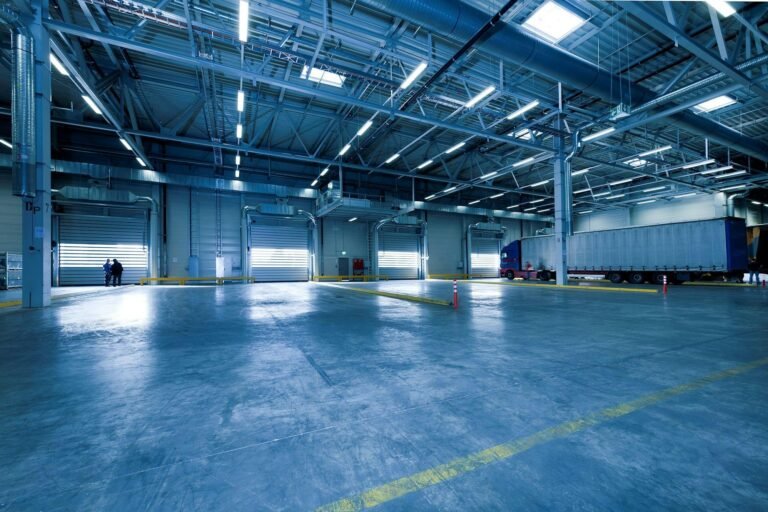
Warehouses are major energy consumers, but new technology is making them smarter and greener.
Solution:
Integrate solar panels, energy-efficient lighting, and automated systems to reduce power usage. Smart warehouse management software also helps optimize space and lower operational costs.
Example:
Green-certified warehouses use motion sensors and AI systems to manage temperature and lighting efficiently.
4. Collaboration for a Sustainable Supply Chain
Sustainability is a shared responsibility. To achieve large-scale impact, logistics companies must collaborate with suppliers, transporters, and customers who share the same eco-conscious values.
Solution:
Partner with green-certified suppliers and use carbon tracking software to measure the overall environmental impact across the supply chain.
Result:
Improved brand reputation, customer trust, and long-term environmental benefits.
Conclusion
Sustainable logistics isn’t just about reducing emissions — it’s about creating a smarter, more efficient, and future-ready supply chain. Companies that embrace sustainability today will be the ones leading global trade tomorrow.
🌱 Ready to make your logistics business eco-friendly?
Start by adopting green transportation, sustainable packaging, and energy-efficient operations — and take the first step toward a cleaner, smarter future.